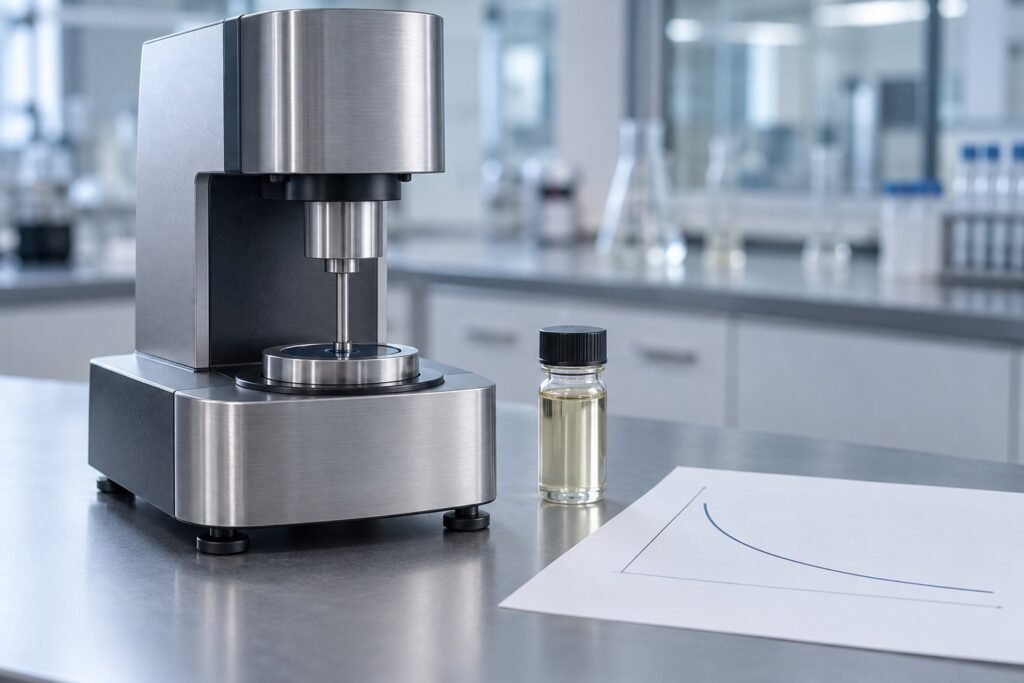
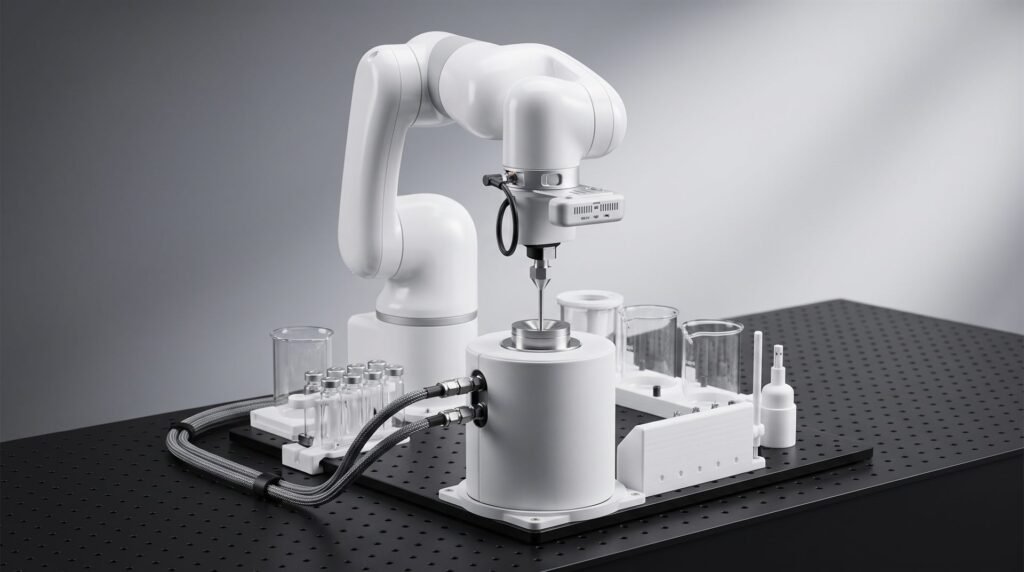
Polymer viscosity analysis is comparable only when laboratories match the result type, polymer concentration, solvent, temperature, shear condition and reporting units. A single number […]
High viscosity meaning is strong resistance to flow, not a universal numeric classification. A liquid is “high” only relative to its temperature, viscosity type, […]
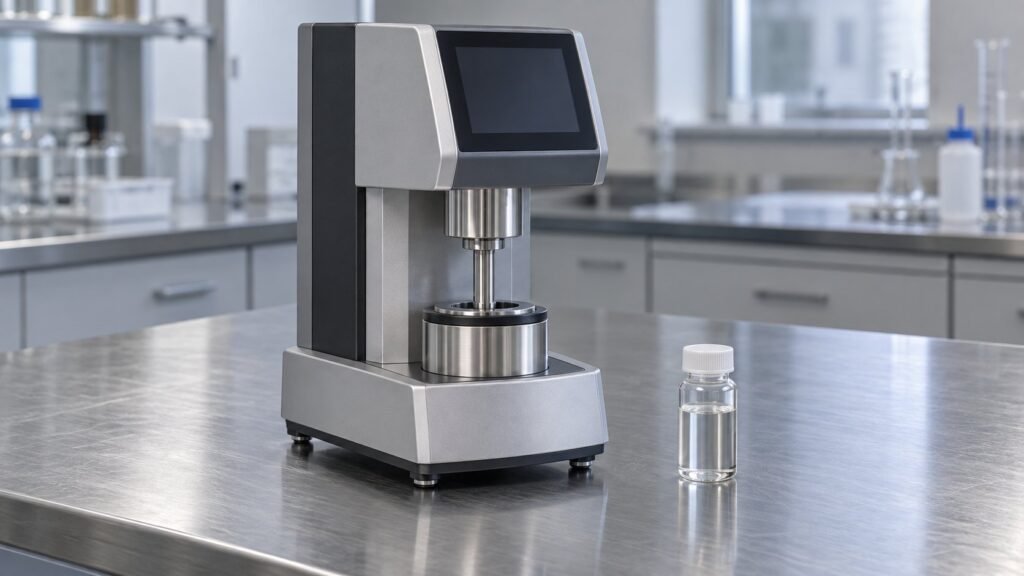
ASTM D7279 viscosity is the right request when you need automated kinematic viscosity for a transparent or opaque liquid within the method’s temperature and […]
Low viscosity meaning: a liquid offers low resistance to flow, but no single numerical cutoff applies across every industry. Purdue Chemistry explains that viscosity […]
An oil viscosity chart estimates viscosity between two known points; it does not prove the curve describes your sample. ASTM D341 allows that interpolation […]
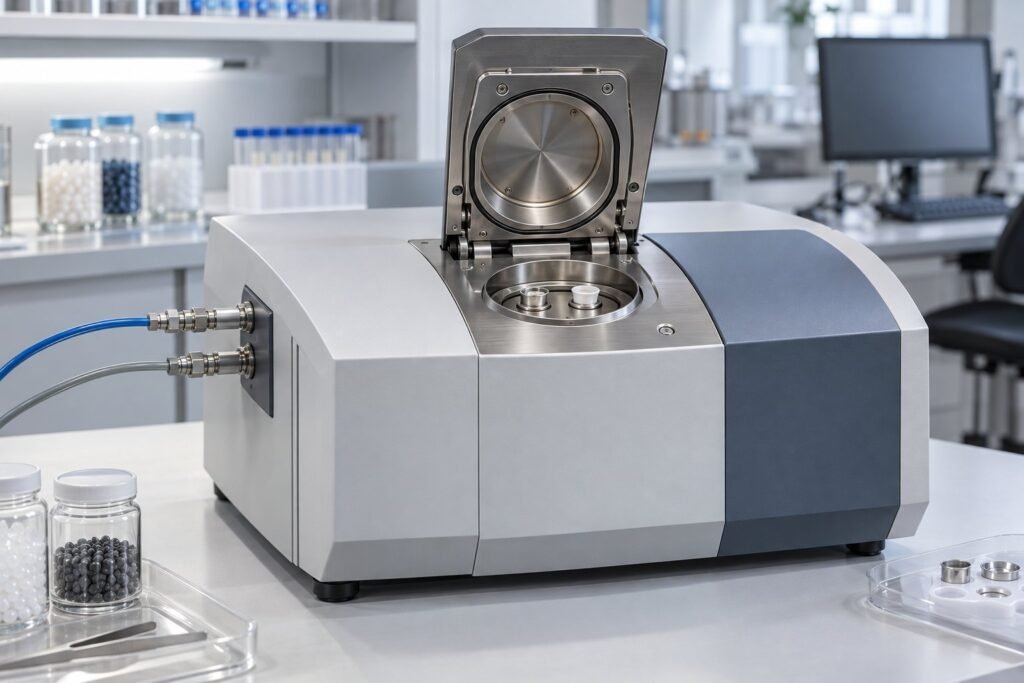
DSC testing oxidation induction now needs a method choice. ISO/TC 61/SC 5 lists ISO 11357-6:2025 as current and ISO 11357-6:2018 as withdrawn. ASTM D3895-19 […]
A viscosity experiment ASTM D7483 uses an oscillating piston to measure dynamic viscosity and derive kinematic viscosity. ASTM D7483-26 covers Newtonian and non-Newtonian liquids […]
We use cookies to ensure that we give you the best experience on our website. If you continue to use this site we will assume that you are happy with it.

 testDSC.Admin