Temperature-scanning viscometry: viscosity vs. temperature the ASTM D5133 way
 testDSC.Admin
Most viscosity methods report a value at one or two fixed temperatures. Temperature-scanning viscometry instead measures viscosity continuously while the temperature is ramped, capturing the entire viscosity–temperature curve in a single run. This is the principle behind ASTM D5133, the standard for low-temperature, low-shear viscosity/temperature dependence of lubricating oils.
Why a curve beats a point
A single data point can hide a gelation knee, a plateau, or a sudden cold-flow rise. Scanning at 0.1 °C resolution from −30 °C to +40 °C resolves those features so engineers can design around real behavior, not interpolation.
Automated and repeatable
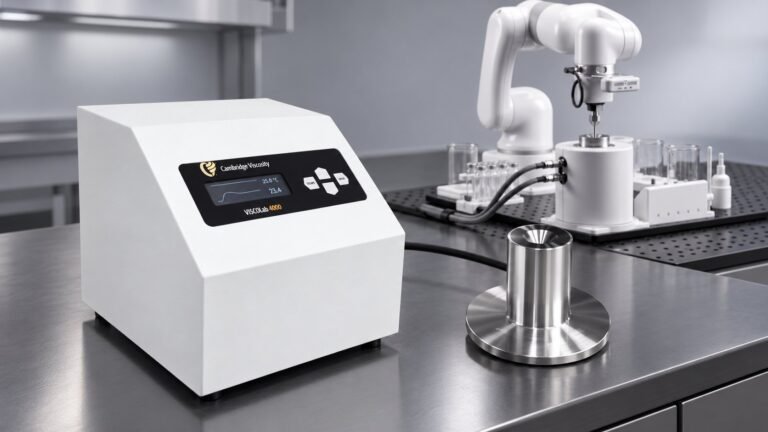
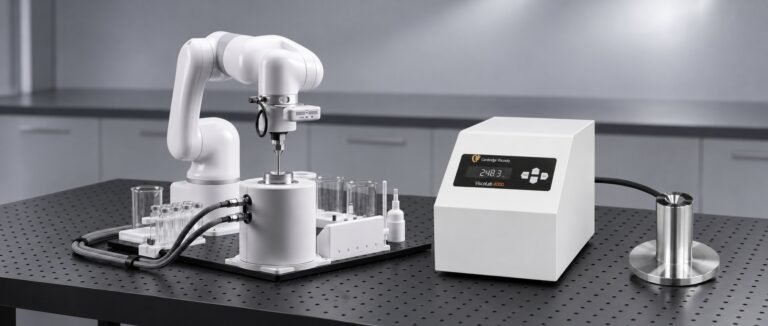
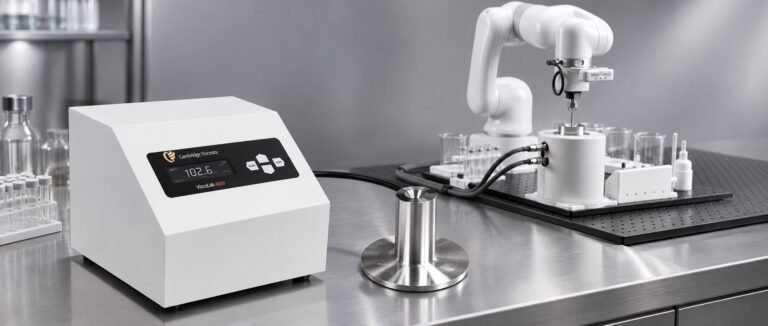
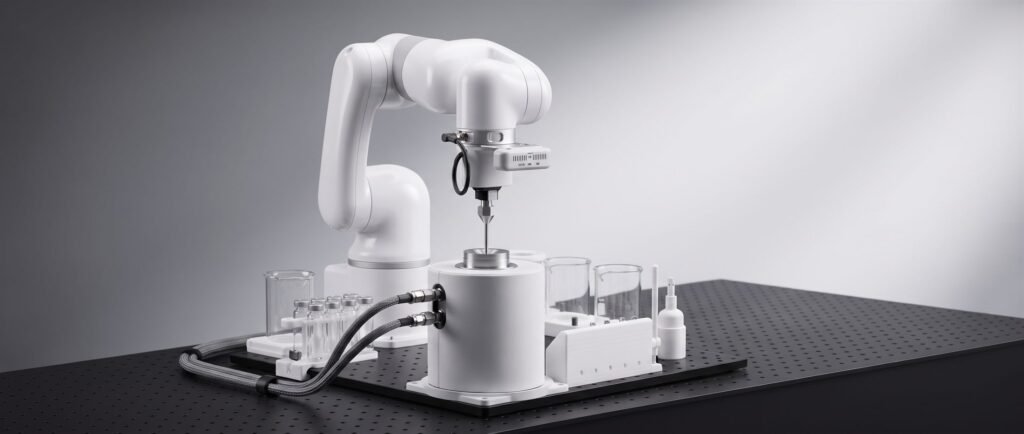
Our robotic cell drives the bath, reads the piston viscometer, and logs every point automatically — so each sample sees identical, traceable conditions.
See the automated viscosity testing service →
See also: viscosity experiment
See also: Inside the cell: robot, pump and a piston viscometer