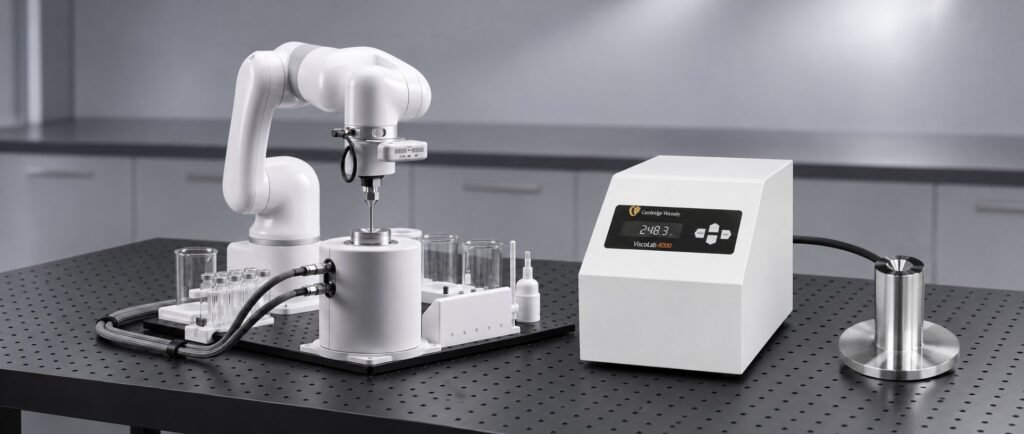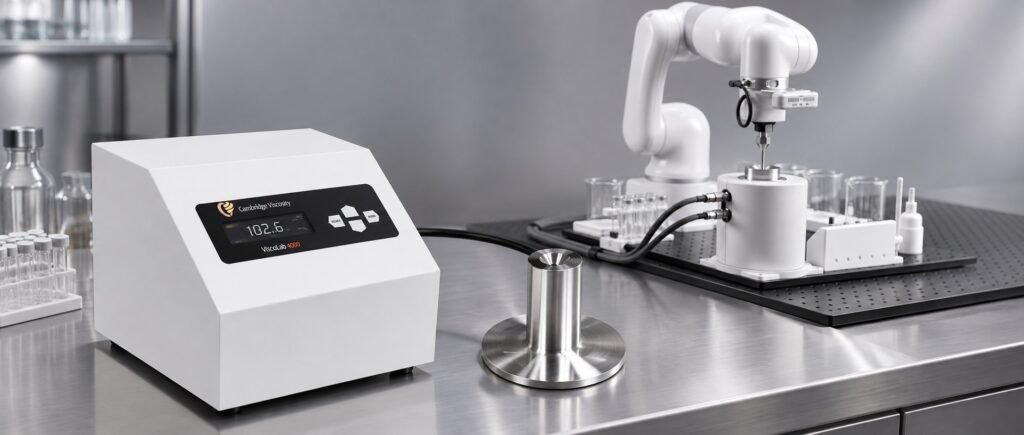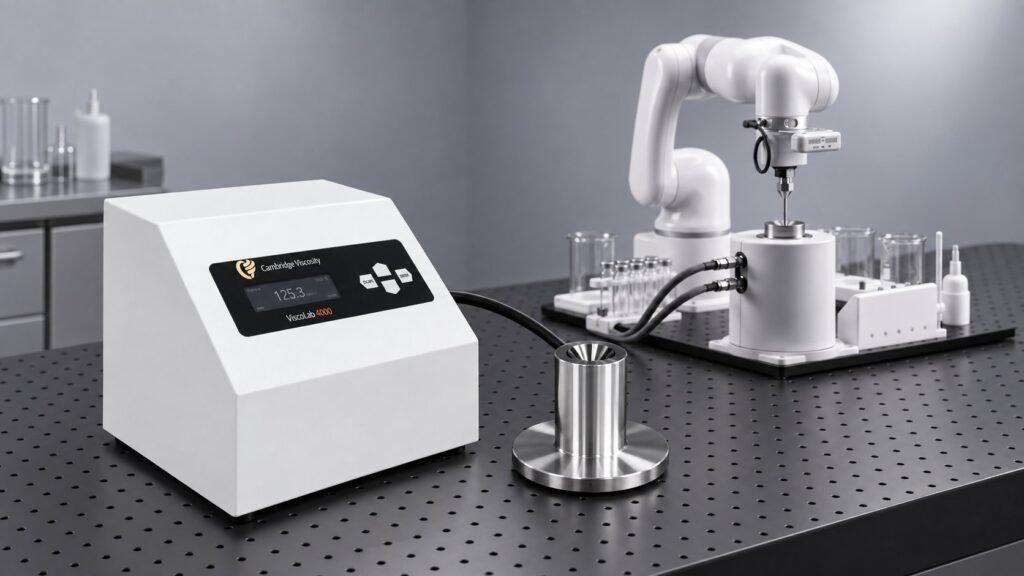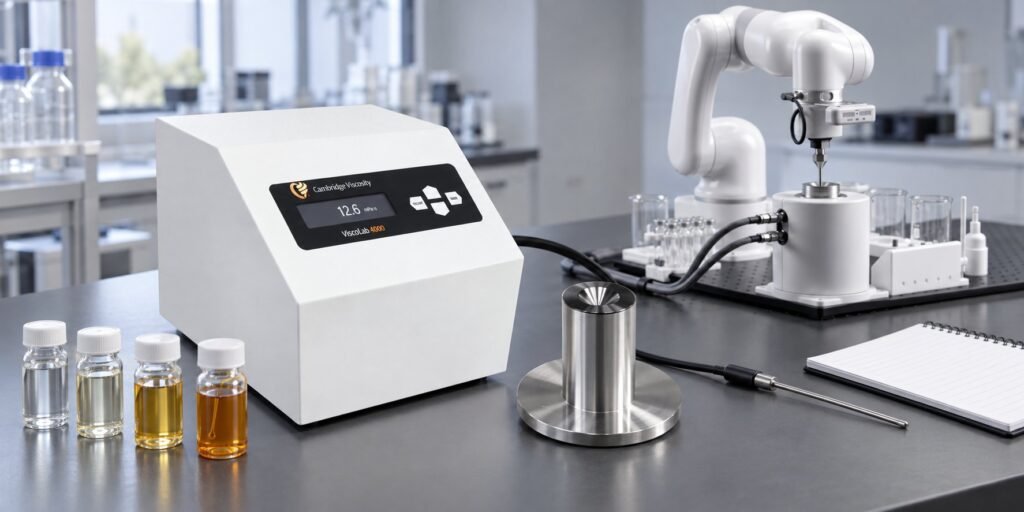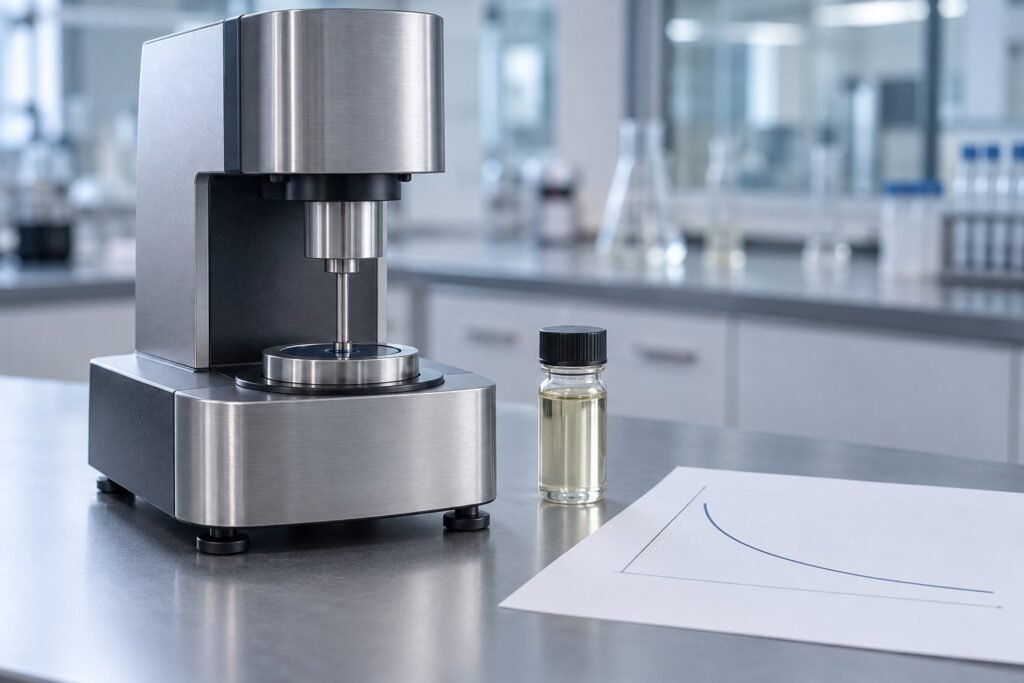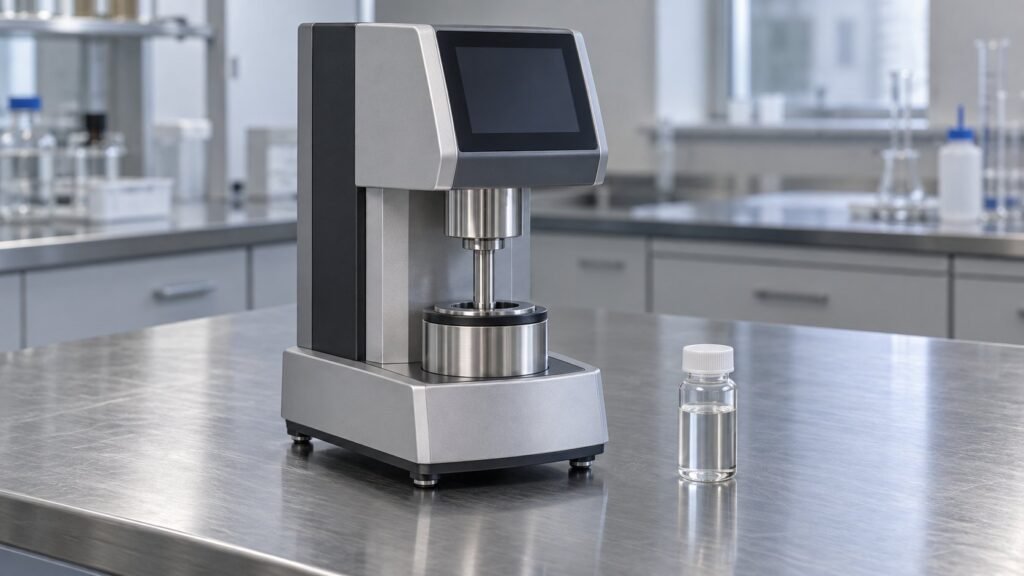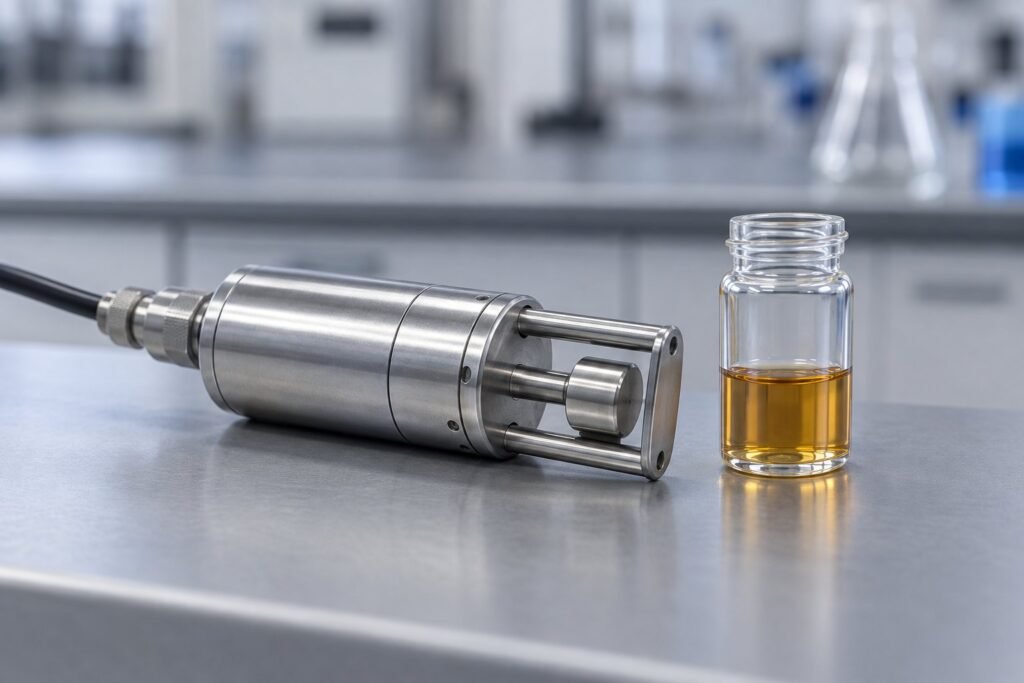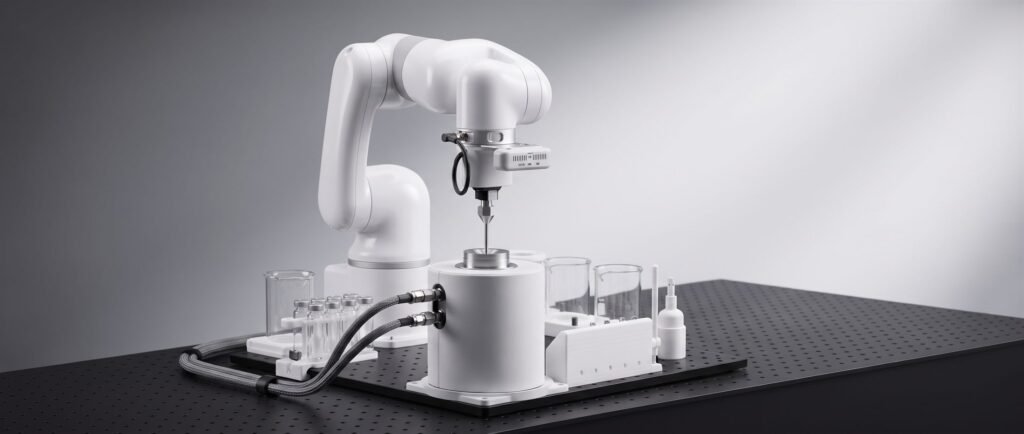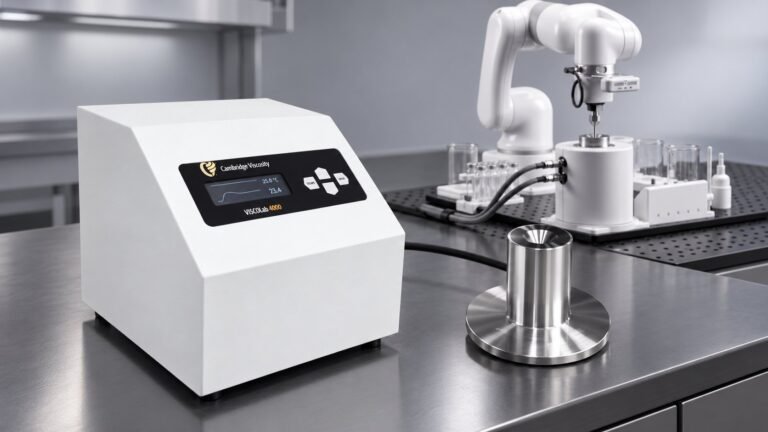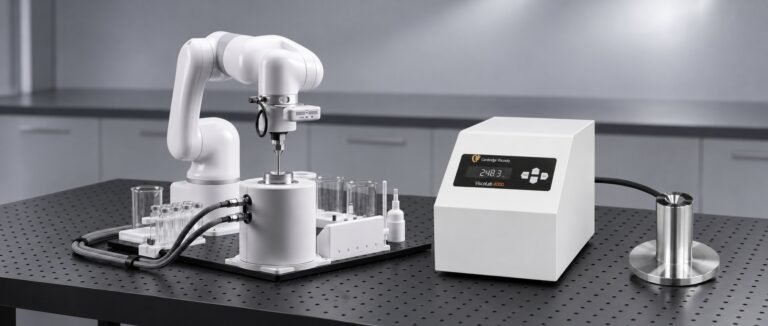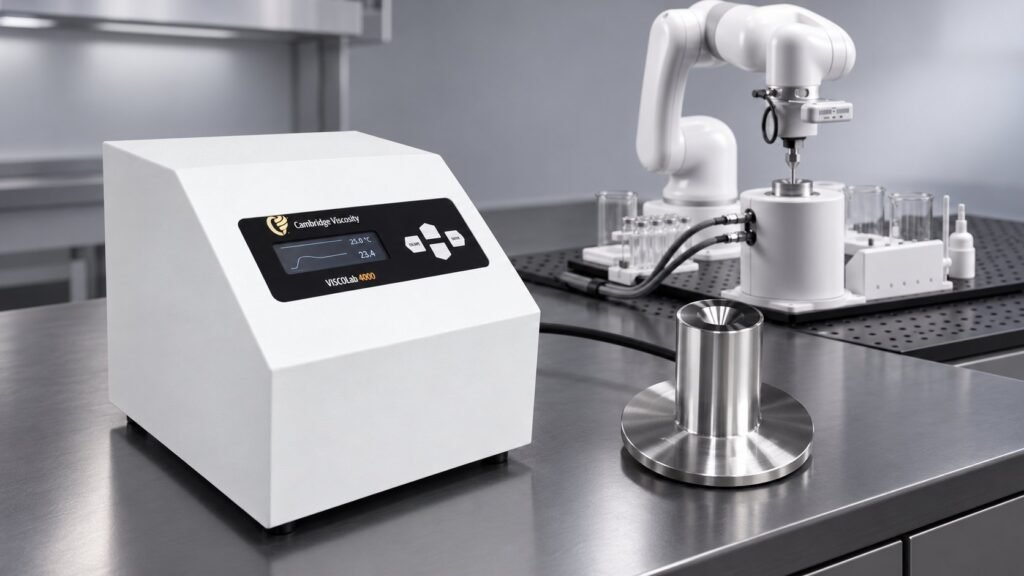
The widest window: 0.1–20,000 cP across −30 °C to +40 °C
Few labs measure such a wide viscosity range across such a wide temperature window — at 0.1 °C resolution, automatically. …
Viscosity in synthesis and mixing: monitoring blends and reactions
Viscosity tracks conversion and homogeneity. Temperature-resolved data supports synthesis and mixing studies. …
Oil and lubricant viscosity testing from −30 °C to +40 °C
Map how an oil or lubricant flows across its whole working window — cold start to warm operation. …
Aqueous solutions and mixtures: viscosity across temperature
Water-based solutions and mixtures shift viscosity with temperature and composition — we capture both precisely. …
Polymer solution viscosity testing across temperature
Polymer solutions swing from thin to syrup-like with small temperature changes — dense viscosity–temperature data captures it. …
Viscosity index explained: how oils hold viscosity across temperature
Viscosity index summarizes how much an oil thins as it warms. Here is what it means and how dense data improves it. …
Viscosity testing for paints and coatings
Viscosity drives application, leveling and sag in coatings. Temperature-resolved data sharpens formulation and QC. …
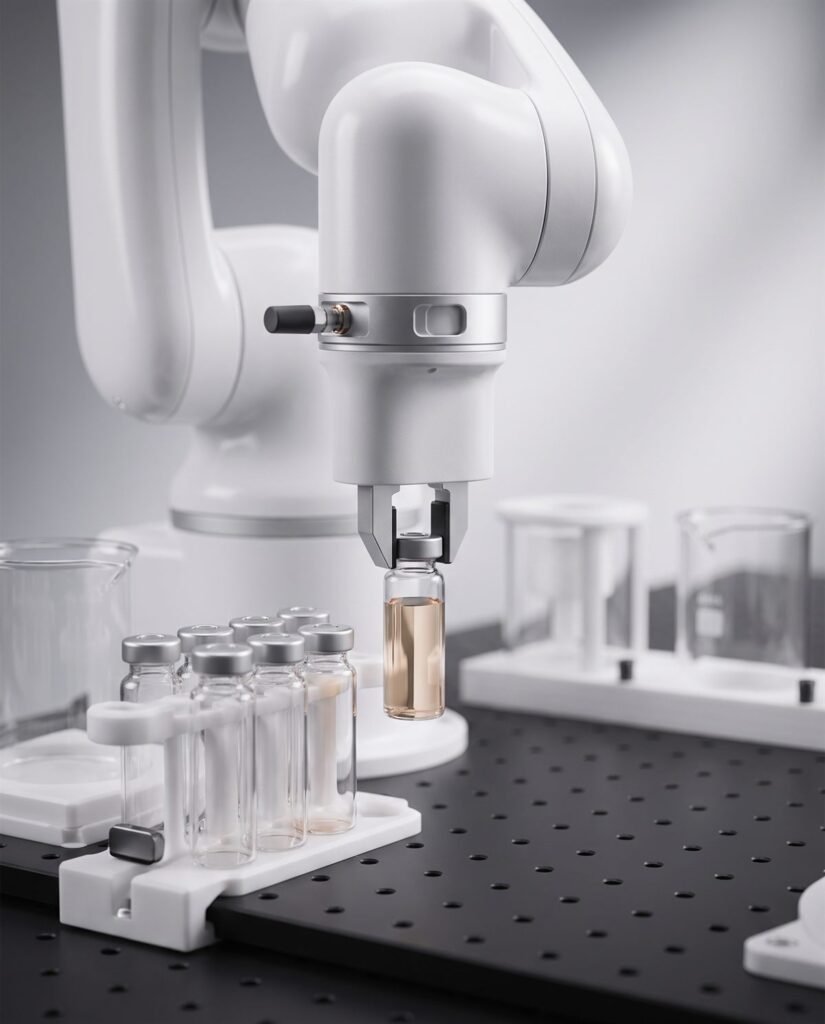
Automated viscosity measurement: more data, less variance
Automation removes operator variance and multiplies throughput — thousands of identical-condition measurements, overnight. …
Dynamic vs. kinematic viscosity — and what cP and cSt actually mean
A plain-language guide to the two viscosities, their units (cP and cSt), and which one your application needs. …
Temperature-scanning viscometry: viscosity vs. temperature the ASTM D5133 way
Scanning temperature while measuring viscosity reveals the whole curve — the basis of ASTM D5133 and the core of our automated service. …