DSC Test Solar Encapsulant for PV Films
 testDSC.Admin
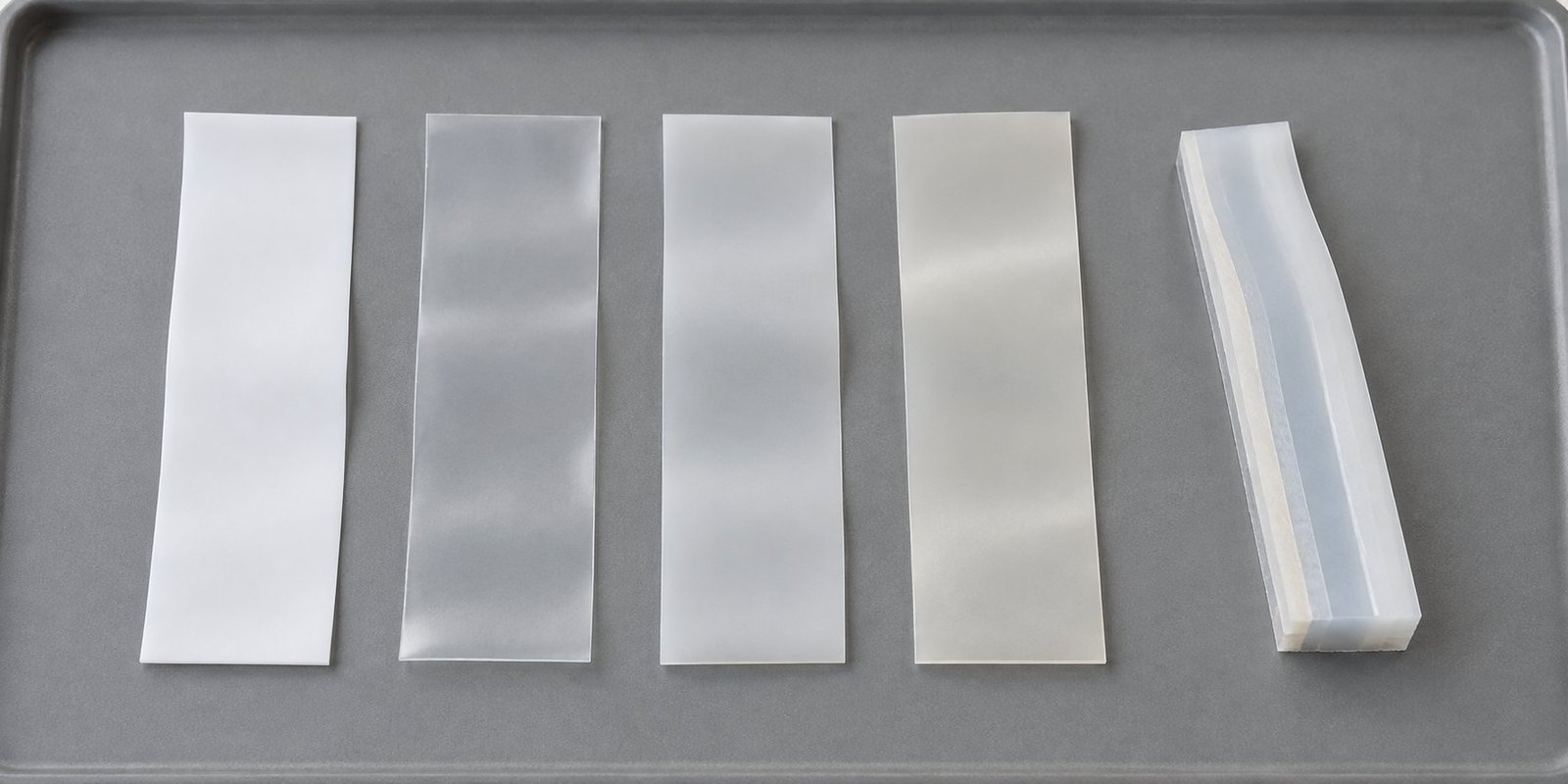
A DSC test solar encapsulant program shows whether an EVA, POE, TPO, or co-extruded EPE film changes as expected during lamination. You can compare melting, crystallization, and cure behavior before committing to a supplier, press cycle, or recycling route.
The useful angle is process history. Two films sold under similar labels can produce different peak shapes, onset temperatures, or cure completion. The 2026 UHasselt study, Effects of Manufacturing-Induced Initial Material State and Lamination Duration on Thermomechanical Properties of Photovoltaic Encapsulants, shows why a material name alone is not a sufficient specification.
What a DSC Test Solar Encapsulant Program Measures
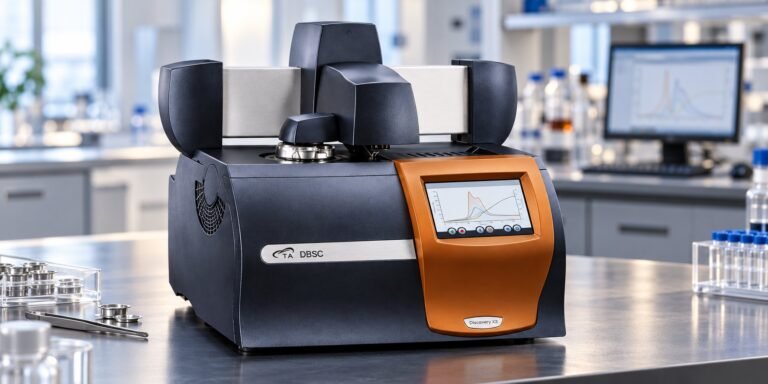
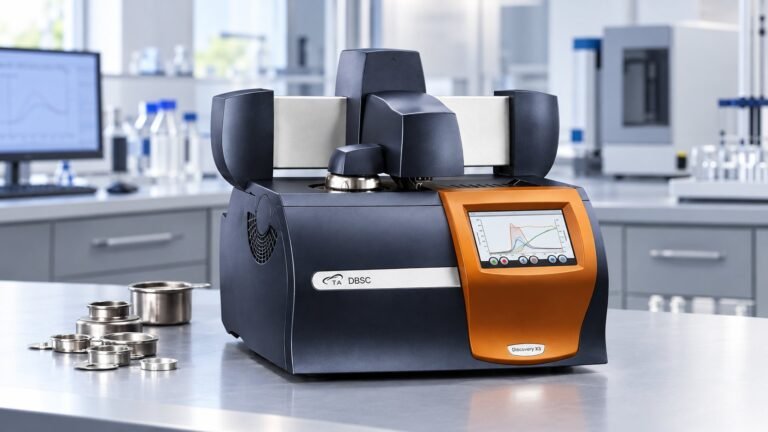
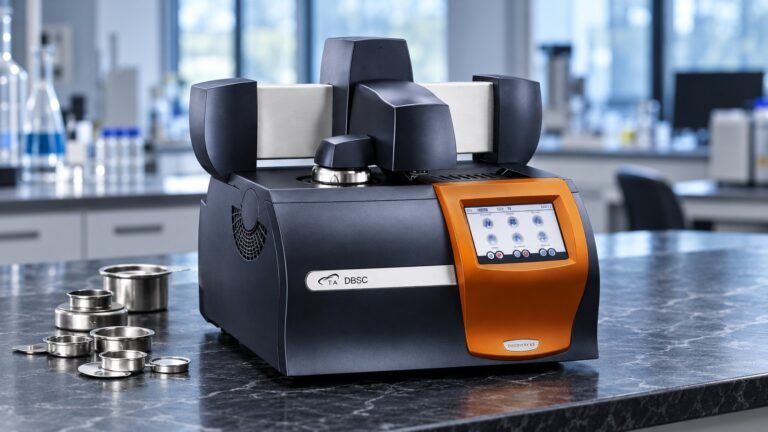
Differential scanning calorimetry measures heat flow as your sample follows a controlled temperature program. The curve gives thermal transitions and reaction-related events. For PV encapsulant DSC, the result is most useful when the same program is applied to an uncured film, a laminated film, and a known-good reference.
Separate the thermal events
Specify the questions before the laboratory cuts the specimens. A first cooling segment can reveal crystallization that was hidden by the film’s manufacturing history. The second heating segment can show melting behavior and any remaining exothermic cure event. Reportable values should include onset and peak temperatures, not only a single peak.
- Uncured versus laminated film, with lamination temperature, time, pressure, and cooling history.
- First cooling crystallization, including crystallization onset and peak temperature.
- Second-heating cure behavior, including cure onset, peak, and residual cure enthalpy.
- Melting temperature, with both melting onset and peak where the transition is broad.
- Crystallization temperature and the shape of the exotherm or endotherm.
- Sample replicates, specimen location, layer orientation, and any visible contamination.
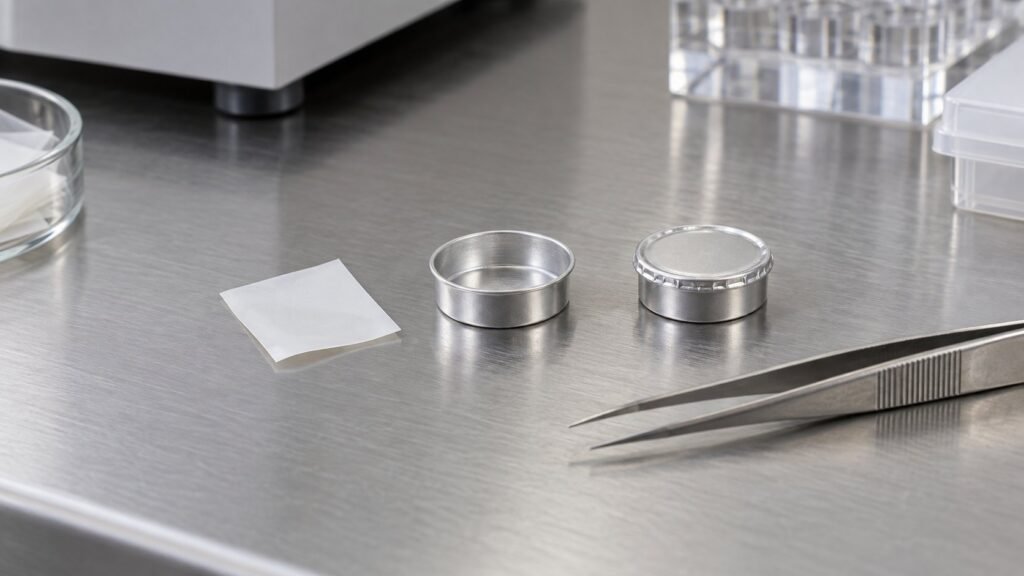
TestDSC commonly works with customer-supplied film samples. A typical DSC specimen weighs about 5 mg to 10 mg, so a clean edge cut and accurate sample identity matter. We use matched heat-cool-heat programs for comparisons. A practical screening program may run from −30 °C to +180 °C at 10 °C/min, but the range and rate should follow the polymer and the decision you need to make. ISO 11357 is the relevant DSC framework where its scope matches your method.
See also: DSC Test Kinetics: A Practical Buyer Guide
Define Film History Before You Request the Test
A DSC test solar encapsulant result is only comparable when the film history is known. Send uncured roll material separately from laminated coupons. Record whether the coupon came from the center, edge, or a defect area. For EPE, state which face contacted the glass or cell side. Layer position can affect the measured curve because the sample may contain EVA, POE, and additives in different proportions.
Why similar labels are not enough
The UHasselt study examined six encapsulant types, including crosslinking EVA and POE, noncrosslinking TPO, and co-extruded EPE. Its central finding is practical: manufacturing-induced initial state and lamination duration strongly affect behavior before and after lamination. Two products called EVA may therefore show different cure peaks or different completion levels.
The same study also cautions against treating conventional DSC degree-of-crosslinking calculations as universal. They are established for EVA, but multilayer films can make the calculation less direct. A single EPE curve may combine transitions from several layers. Use DSC to compare matched samples and process conditions. Do not treat one calculated percentage as the complete description of a multilayer film.
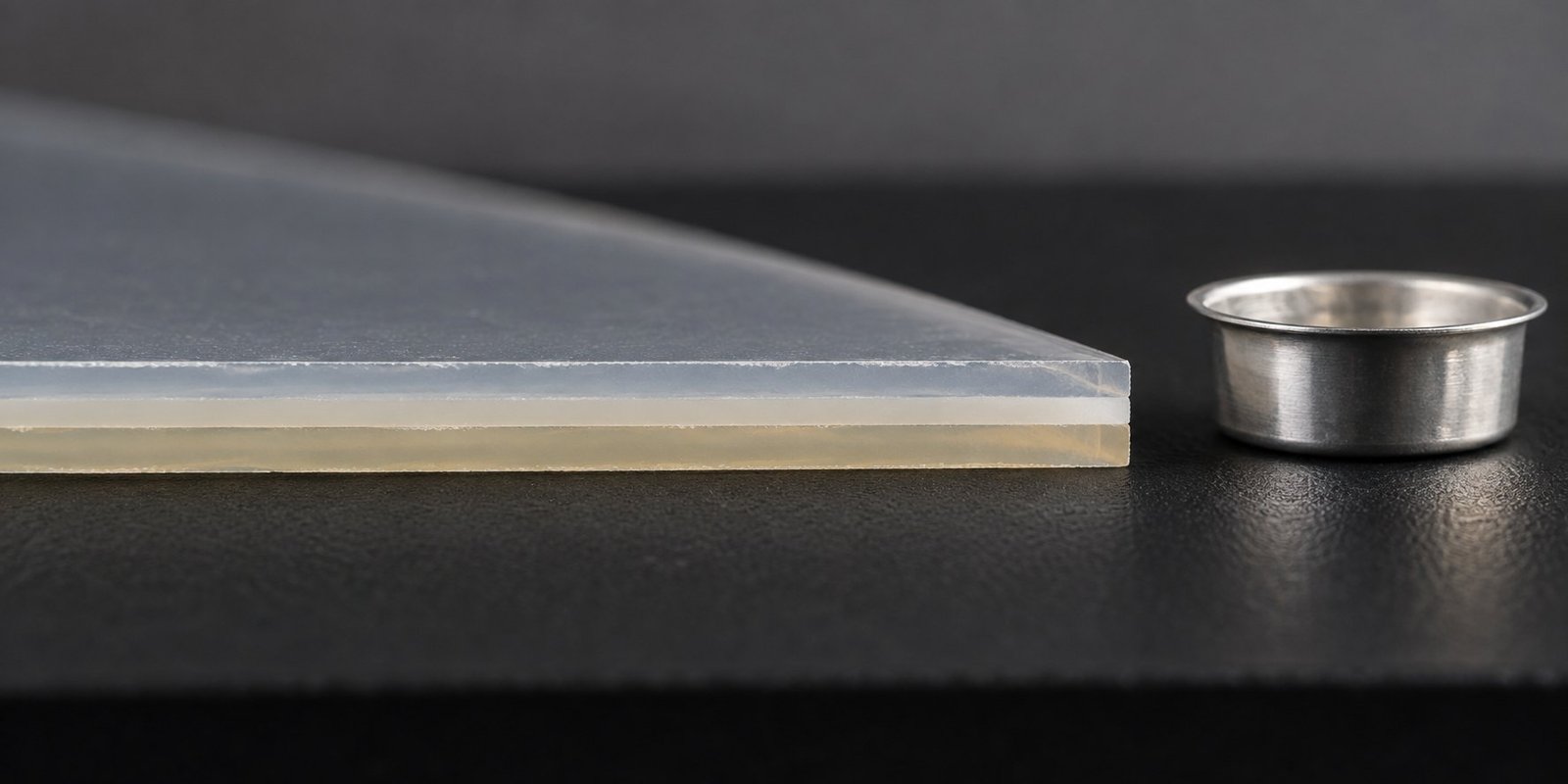
Match the Program to EVA, POE, TPO, and EPE
The purpose of a DSC crosslinking test changes with the encapsulant chemistry. EVA and some POE grades are reactive systems. TPO is generally evaluated for melting and crystallization because it does not use the same peroxide-driven crosslinking interpretation. EPE requires both views because its EVA and POE layers may respond differently inside one film.
Crosslinking films
For EVA or reactive POE, compare the first heating curve with the second heating curve. A cure exotherm during the first heating can indicate remaining reaction potential. If that feature is reduced or absent after a controlled heat cycle, the result supports cure completion under the test conditions. Report cure onset temperature, cure peak temperature, and enthalpy in J/g.
Noncrosslinking and co-extruded films
For TPO, focus on the first cooling crystallization and second-heating melting transition. Record crystallization onset, crystallization peak, melting onset, and melting peak. For EPE, inspect peak width, shoulders, and multiple events rather than forcing the curve into one transition. This is the practical value of EPE encapsulant thermal analysis: it exposes how a co-extruded film behaves as a material system.
- Use the same heating rate, temperature range, pan type, and atmosphere across all comparison samples.
- Compare uncured and laminated material from the same lot whenever possible.
- Keep at least 3 replicates for screening and investigate any large spread before drawing a process conclusion.
- Include a known-good reference when you need to judge incomplete lamination or supplier-to-supplier variation.
The 2026 Wiley study, Performance and Reliability of PV Modules Made With Novel Co-Extruded Encapsulant Containing UV Downshifting Compound, used DSC thermograms to compare lamination conditions. It examined residual peroxide enthalpy around 160 °C as an indicator of remaining cure potential. The study then related material state and lamination to observed delamination, damp-heat, and thermal-cycling performance. That connection makes DSC a useful process screen, not a substitute for module-level testing.
Turn the Thermogram Into a Buying Decision
Ask what decision the data must support. A supplier comparison may need melting and crystallization values. A lamination investigation may need cure onset, cure peak, residual cure, and replicate spread. A recyclability study may need to distinguish a crosslinked layer from a thermoplastic layer after thermal exposure.
Ask for a report you can compare
- State the film type, supplier lot, thickness in mm, layer structure, and sample condition.
- Define whether the test compares uncured film, laminated film, or both.
- Set the temperature range and heating rate, such as −30 °C to +180 °C at 10 °C/min.
- Request onset and peak values for melting, crystallization, and cure-related events.
- Request residual cure enthalpy in J/g and the calculation basis used for comparisons.
- Specify the number of replicates and how outliers will be handled.
In practice, a known-good reference can expose incomplete lamination faster than a nominal pass-or-fail label. If your production coupon retains a cure event that the reference does not show, investigate press temperature, dwell time, evacuation, film thickness, and sample location. If the two curves differ only in peak shape, check the multilayer composition before assigning the difference to cure.
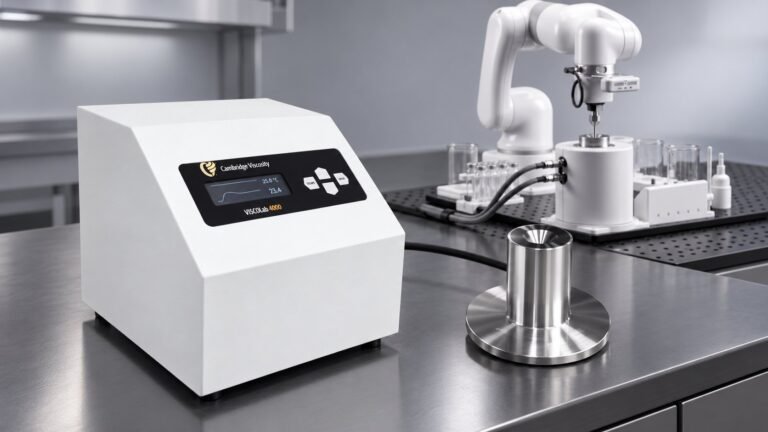
If your process also depends on flow during heating, pair DSC with automated temperature-scanning viscosity measurements. Viscosity data in cP or cSt can add process context, while DSC identifies the thermal events that cause the material state to change.
See also: DSC Test Recycled Content: What Data Proves
FAQ: PV Encapsulant DSC Testing
Can one DSC program compare EVA, POE, TPO, and EPE?
Yes, for a controlled screen. Use the same heat-cool-heat schedule, then interpret each chemistry by its relevant events. Reactive EVA and POE need cure analysis. TPO needs melting and crystallization analysis. EPE needs layer-aware interpretation.
Should I send uncured or laminated film?
Send both when the decision concerns lamination. Uncured material establishes the initial state. Laminated material shows what changed after the press cycle. Include the lamination temperature in °C and dwell time in minutes.
How many replicates should I request?
Request at least 3 replicates for a screening comparison. More may be appropriate when the film is multilayered, visibly nonuniform, or sampled from several locations.
Does DSC certify a finished PV module?
No. DSC is a material-screening and process-comparison test. It does not replace full module certification, electrical output testing, or long-term UV-aging protocols.
Conclusion: Specify the Encapsulant Question First
A useful DSC test solar encapsulant request connects a defined film history to a defined decision. Ask for matched uncured and laminated samples, 5 mg to 10 mg specimens, at least 3 replicates, and reportable onset and peak values. TestDSC runs DSC thermal analysis on customer-supplied samples and can help compare lamination state across EVA, POE, TPO, and EPE. Send your film details through our solar encapsulant DSC testing service request to define the program →