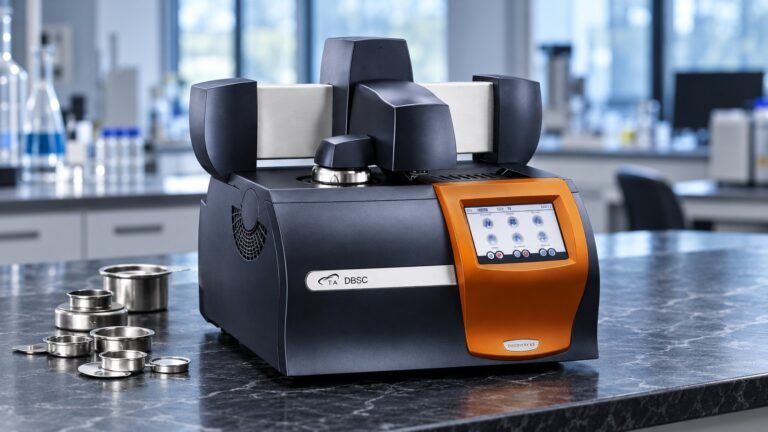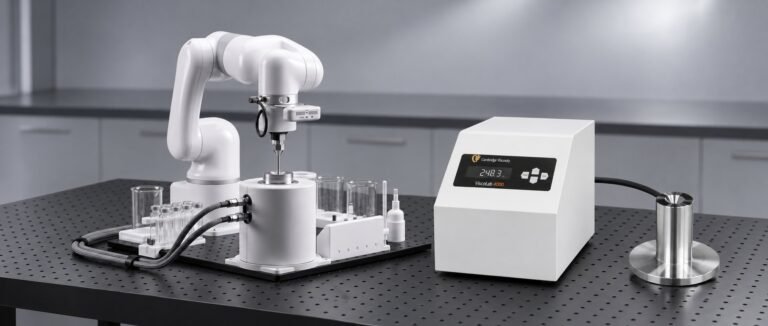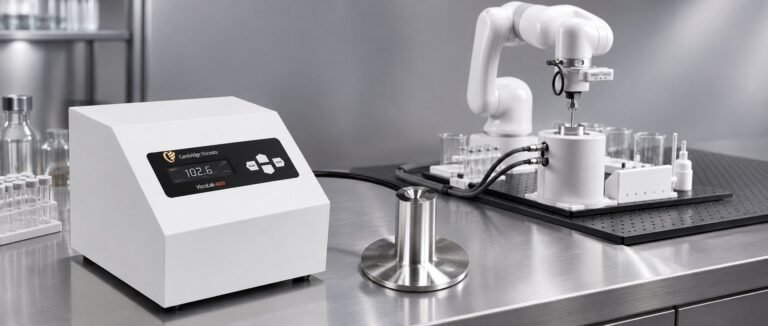
DSC Analysis Lab: Pre-Ship Test Request Checklist
 testDSC.Admin
For a dsc analysis lab, send a request that connects the material to a decision and fixes the run conditions before shipment. State whether the work supports release, supplier qualification, failure investigation, process change, or exploratory screening. Then specify sample mass, pan, atmosphere, temperature program, outputs, handling history, and deadline.
Ranking pages often list capabilities or offer general procurement advice. They rarely provide a copyable DSC test-order specification with units, decision criteria, and failure-prevention checks. CorDev identifies the material, quantity, source, intended use, timing, storage, transport, and chain of custody. This guide turns those points into a release-ready request.
What decision should your DSC test support?
Your decision determines the method scope, acceptance rule, report, and controls. Name the trigger before you name the temperature program. A technically correct result can still be unusable if it does not answer the release or investigation question.
| Decision | Use when | Tell the laboratory |
|---|---|---|
| Release | A lot needs approval before use or shipment. | Acceptance limits, lot identity, required outputs, and report deadline. |
| Supplier qualification | You are comparing a new source with an approved source. | Reference material, matched lots, comparison criteria, and traceability. |
| Failure investigation | A complaint, defect, or unexpected result needs evidence. | Service history, affected location, control sample, and suspected event. |
| Process change | A formulation, cure, drying, or thermal step has changed. | Before-and-after samples, process conditions, and the decision threshold. |
| Exploratory screening | The material or transition is not yet well characterized. | Unknowns, broad screening range, possible follow-up tests, and sample limits. |
See also: dsc laboratory
What should your DSC test request checklist contain?
A complete DSC test request checklist identifies the sample, purpose, preparation, thermal program, outputs, and custody record. Use the fields below as a one-page DSC sample submission. Leave unknown values marked for clarification instead of allowing hidden defaults.
Copy this one-page request template
- Material and source: State the material name, form, lot or batch, supplier, sample quantity, collection date, and intended use. Failure mode: an unlabeled or nonrepresentative sample makes the result difficult to compare.
- Decision and deadline: State release, supplier qualification, failure investigation, process change, or exploratory screening. Add the required report date and acceptance rule. Failure mode: the laboratory reports a transition without knowing which decision it must support.
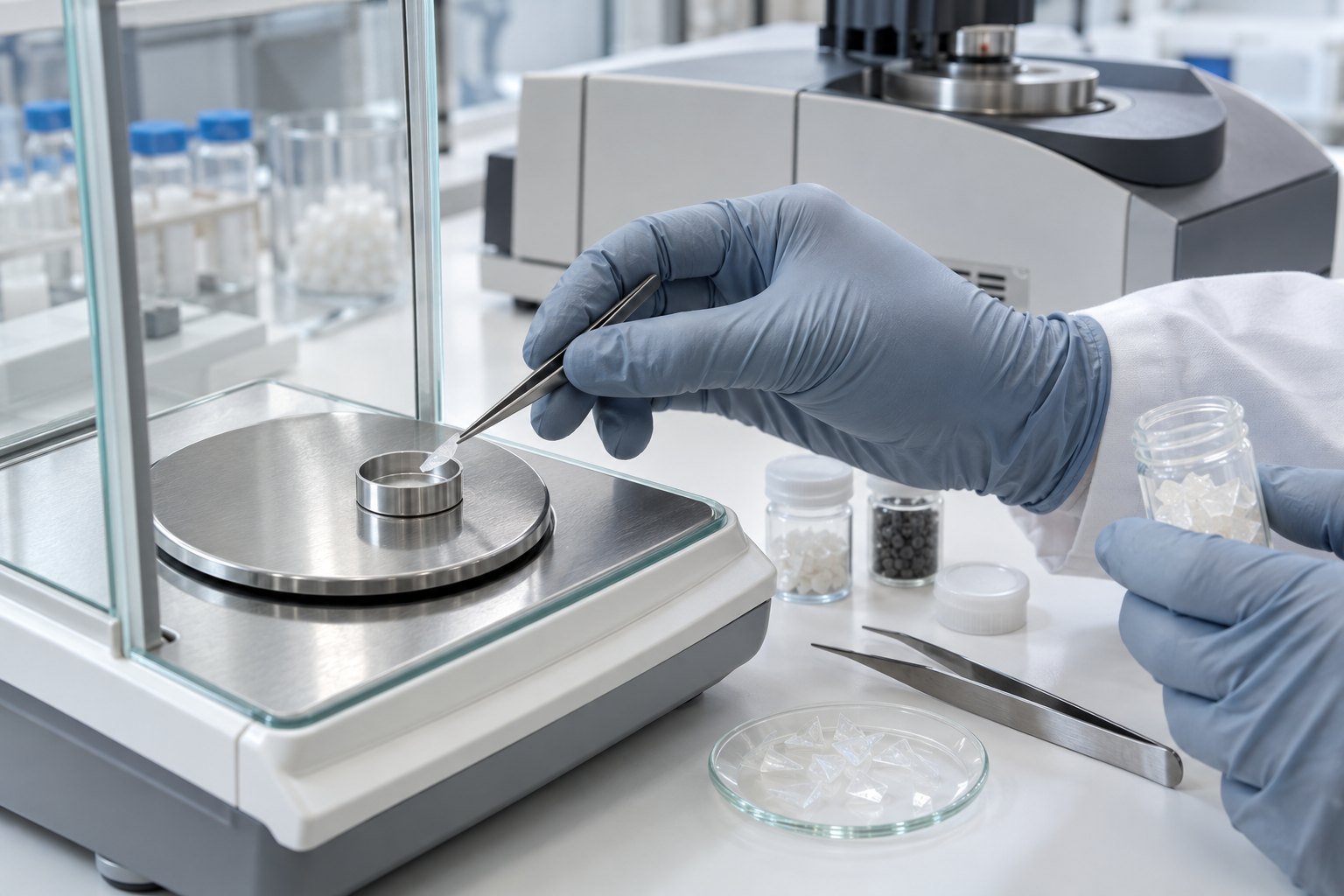
- Sample mass: Specify the target test mass in mg, total amount shipped in mg, number of runs, and reserve amount. Failure mode: insufficient material prevents duplicate runs or confirmation testing.
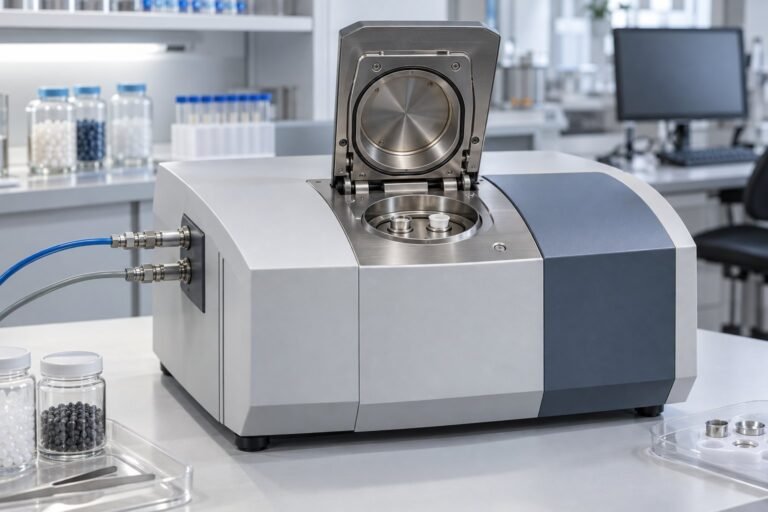
- Pan and lid: Name the pan and lid type, then specify open, crimped, or hermetic condition. Failure mode: an unstated lid condition changes exposure to the purge gas and may alter the observed event.
- Atmosphere and program: Record purge gas and flow in mL/min, temperature range in °C, heating or cooling rate in °C/min, and every hold time in min. Failure mode: a vague temperature window can miss the event or expose a limited sample to unnecessary heat.
- Requested outputs: List Tg, onset, peak, endset, and enthalpy in J/g where applicable. State whether you need curves, replicate results, raw data, or interpretation. Failure mode: the report omits the value needed for your acceptance decision.
- Storage and custody: Record container, storage temperature in °C, light or humidity exposure, transport conditions, collector, transfer dates, and chain of custody. Failure mode: contamination, moisture uptake, or an undocumented delay weakens the result.
- Safety and scope: Attach the safety data sheet, known hazards, photographs, dimensions, comparison samples, and permission for destructive preparation or sample consumption. Failure mode: work pauses while the laboratory resolves handling or authorization questions.
See also: simultaneous thermal analysis (tga/dsc)
How should you make DSC method selection decisions?
DSC method selection should follow the material question, not a familiar method name. Specify preparation, calibration basis, atmosphere, pan condition, heating history, replicate plan, reporting limits, and any required standard. The TA Instruments webinar page highlights pan selection, sample preparation, and method development as practical areas where users need the most help.
If you request Tg
State whether Tg means onset, midpoint, or another defined point. If you request Tg under ASTM E1356-25, identify Sections 1.1–1.4 and use its normal −120 °C to 500 °C range unless your material requires a justified narrower window. The laboratory should state how the reported point was selected.
Specify the conditions that shape the result
Pan selection, sample preparation, purge gas, flow, rate, and hold time affect what the curve shows. TGA DSC Analysis Lab presents controlled heating, cooling, atmosphere, preparation, and repeat runs as parts of the test scope. Record each condition so a second laboratory can reproduce the work.
How should a DSC lab quote describe your order?
A useful DSC lab quote separates the base run from optional preparation, repeats, rush handling, interpretation, and retained samples. It should repeat your sample identity, method assumptions, units, deliverables, exclusions, turnaround dependencies, and any accreditation or certificate requirement. Do not compare prices until the scopes match.
- Base scope: sample receipt, condition check, preparation, calibration status, instrument run, quality review, and report.
- Run conditions: sample mass in mg, pan and lid type, open, crimped, or hermetic condition, purge gas and flow in mL/min, temperature range in °C, rate in °C/min, and hold times in min.
- Outputs: Tg, onset, peak, endset, enthalpy in J/g, replicate spread, curves, raw data, and interpretation.
- Options: duplicate or triplicate runs, control sample, expanded range, additional preparation, retained material, and rush handling.
- Limitations: sample consumption, uncertain identification, thermal degradation, overlapping events, and any condition that prevents a direct comparison.
Redacted TestDSC order record
| Field | Redacted order detail |
|---|---|
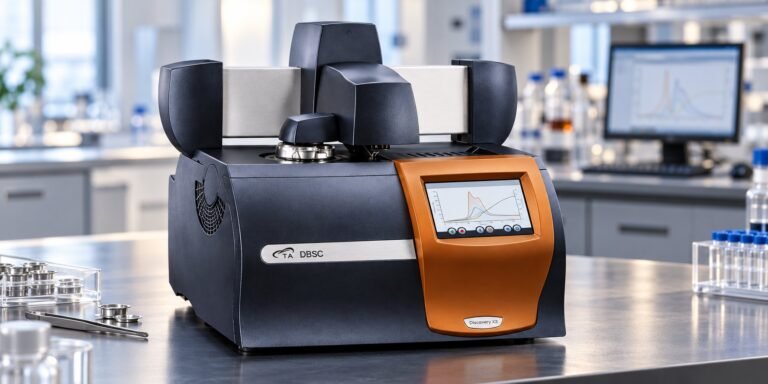
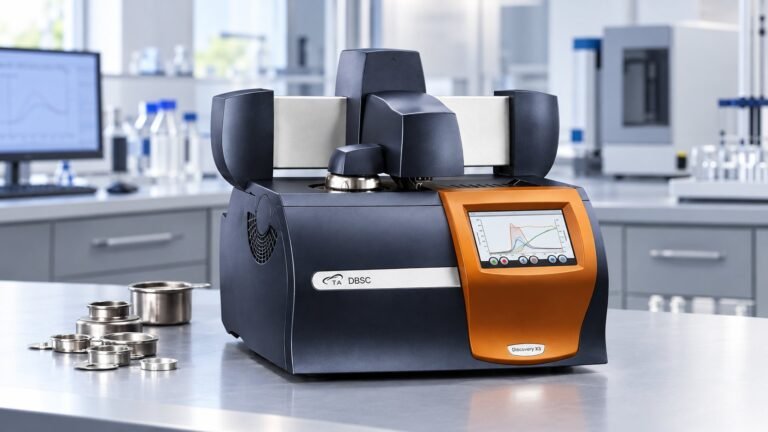
| Instrument | TA Instruments Discovery X3 |
| Sample | Polymer film, customer and lot redacted |
| Sample mass | 7.84 mg |
| Pan condition | Aluminum pan, crimped lid, nitrogen purge at 50 mL/min |
| Program | −30 °C to +180 °C at 10 °C/min, 3 min hold at −30 °C |
| Duplicate Tg results | Run 1: 74.6 °C; Run 2: 74.9 °C; spread: 0.3 °C |
| Duplicate enthalpy results | Run 1: 42.1 J/g; Run 2: 43.0 J/g; spread: 0.9 J/g |
The duplicate spread is part of the evidence, not a decorative statistic. TestDSC records the actual mass and run conditions so you can distinguish sample variation from method variation. If your request depends on a tight tolerance, state that tolerance before the work begins.
What should you confirm before shipping a DSC sample?
Do you need to know the exact standard first?
No. Your intended decision, material, expected range, and sample history can be enough for an initial proposal. Confirm the governing basis before ordering work that depends on a specific acceptance rule.
Can you submit an unknown material?
Yes. Request staged screening, identify the limits of interpretation, and define the decision point for deeper analysis. Include the safety data sheet or state clearly that the composition is unknown.
What if you are unsure which output matters?
Ask the laboratory to map outputs to your decision. The Frequently Asked Questions page can help with common submission and reporting questions, but your order should still state the material and intended use.
What is the next step for your DSC analysis lab request?
Before shipment, review the sample identity, decision, mass in mg, pan condition, gas flow in mL/min, temperature range in °C, rate in °C/min, hold times in min, requested outputs, and custody record. Then send the completed specification through the TestDSC contact page for a DSC test request review. DSC admin recommends resolving those fields before the sample is consumed →