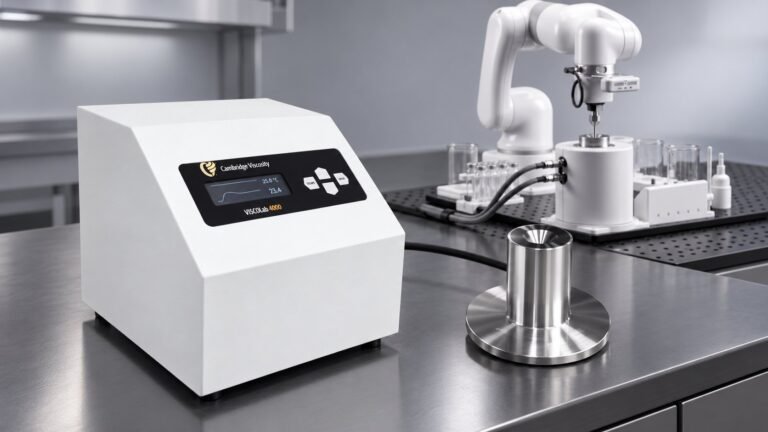
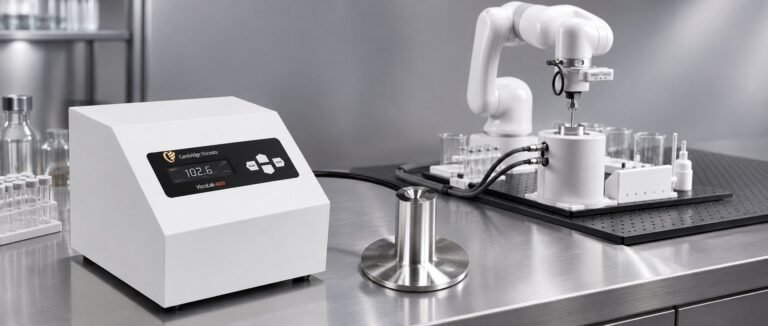
Polymer viscosity analysis is comparable only when laboratories match the result type, polymer concentration, solvent, temperature, shear condition and reporting units. A single number […]
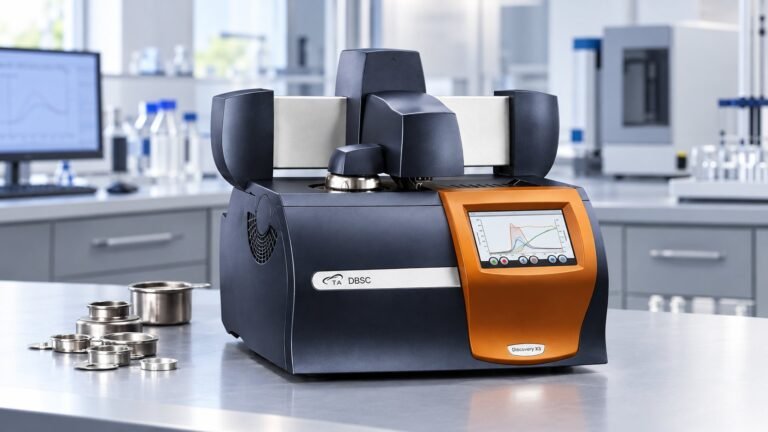
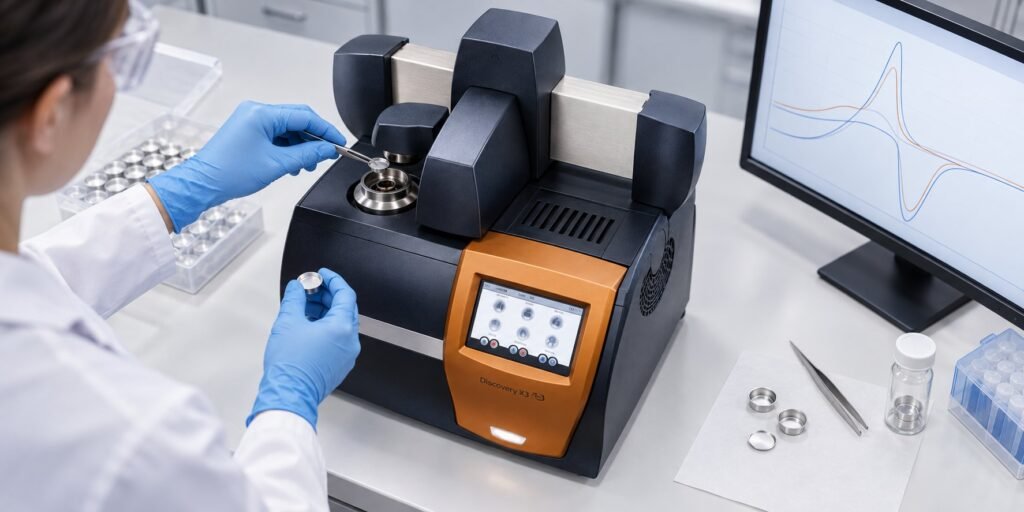
ISO 11357-3:2025 is the fourth edition for measuring melting and crystallization temperatures and enthalpies in crystalline and partially crystalline plastics by conventional DSC. ISO’s […]
Yes. A DSC test short chain branching result can estimate the distribution in semicrystalline ethylene/1-olefin copolymers when you use successive self-nucleation and annealing (SSA). […]
DSC for Composite Materials: Fiber-Reinforced Polymers and Beyond Why DSC Is Critical for Composite Manufacturing Composite materials, particularly fiber-reinforced polymers used in aerospace, automotive, […]
DSC Testing for Plastics: Identification, Quality Control, and Failure Analysis Why Plastics Manufacturers Rely on DSC Plastics manufacturers depend on DSC as their primary […]
DSC Testing for Rubber and Elastomers: A Complete Guide Why DSC Is Essential for Rubber Analysis Rubber and elastomer materials exhibit unique thermal behavior […]
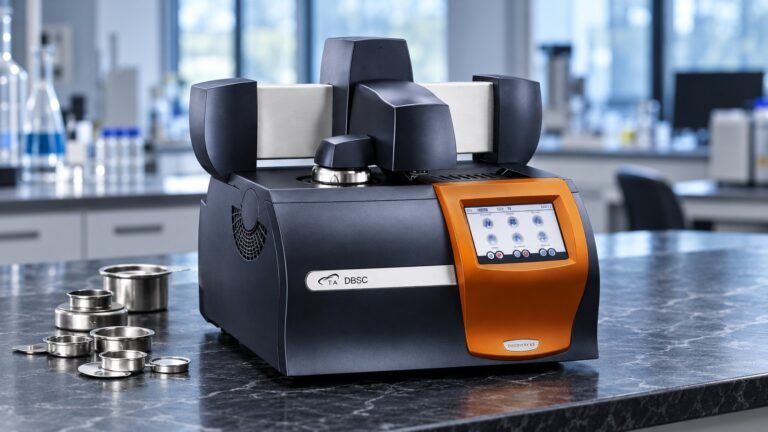
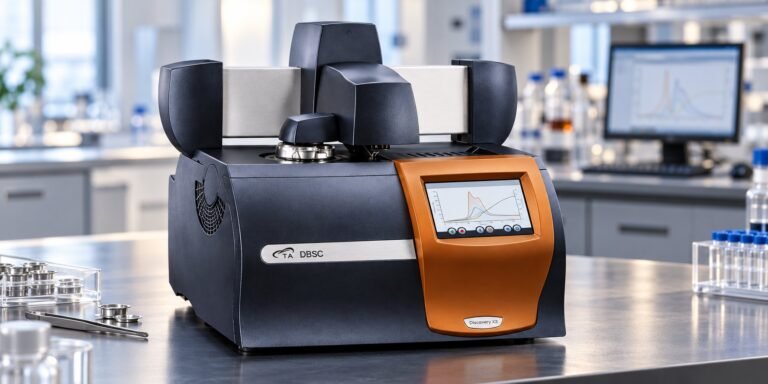
DSC Testing for Polymers: Methods, Standards, and Applications Why DSC Is Essential for Polymer Testing Differential Scanning Calorimetry has become an indispensable tool in […]
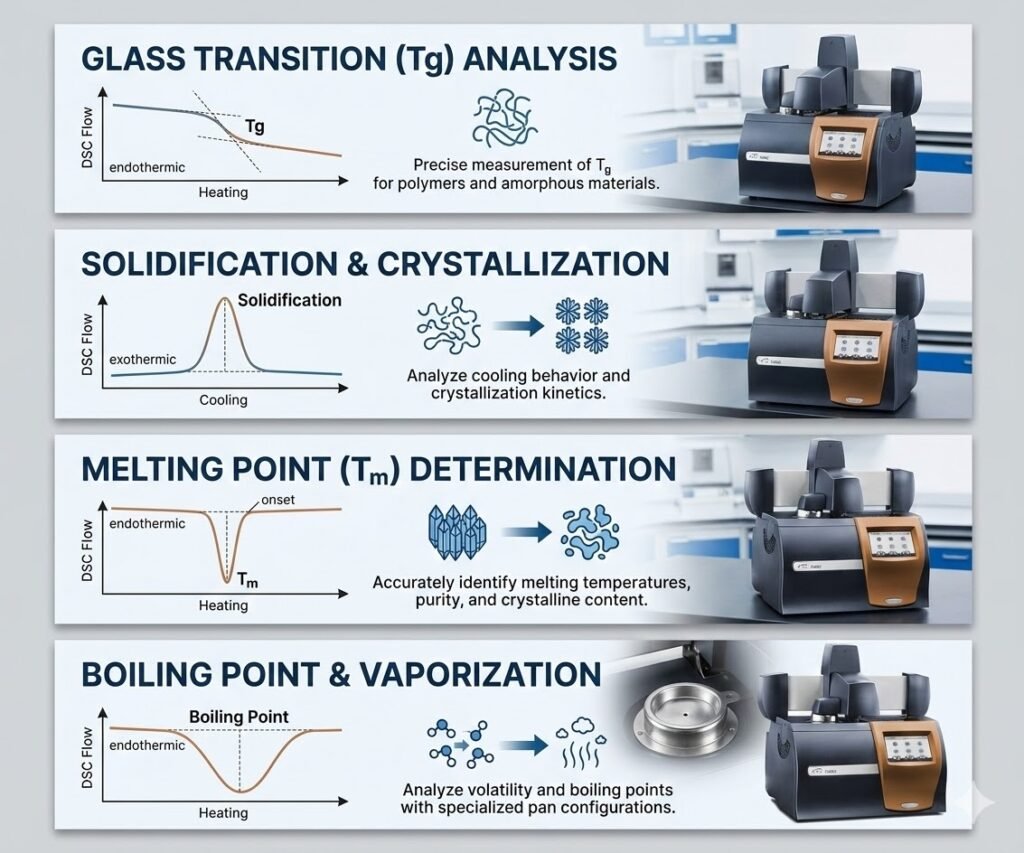
Glass Transition Temperature DSC Measurement Guide Glass transition temperature DSC analysis is essential for characterizing polymers and amorphous materials. Glass transition temperature (Tg) is […]
We use cookies to ensure that we give you the best experience on our website. If you continue to use this site we will assume that you are happy with it.

 testDSC.Admin
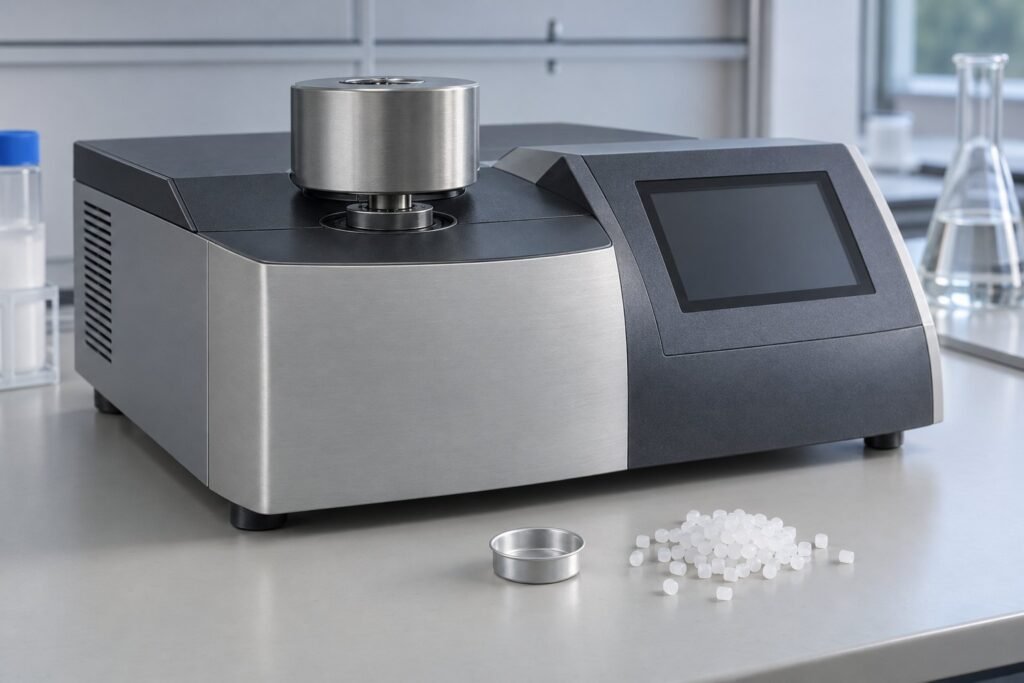


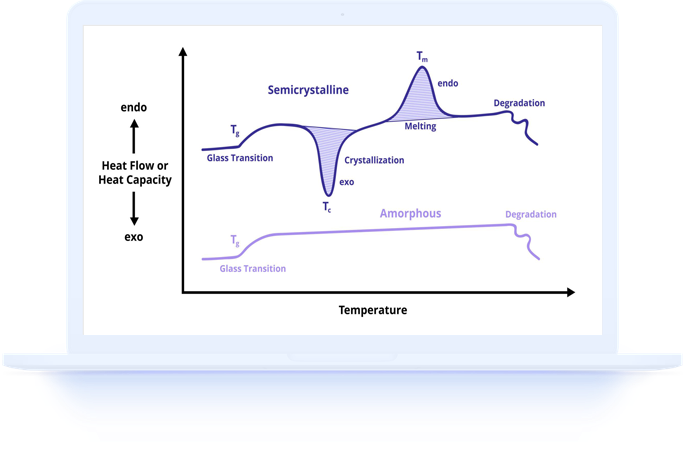
 DSC Test