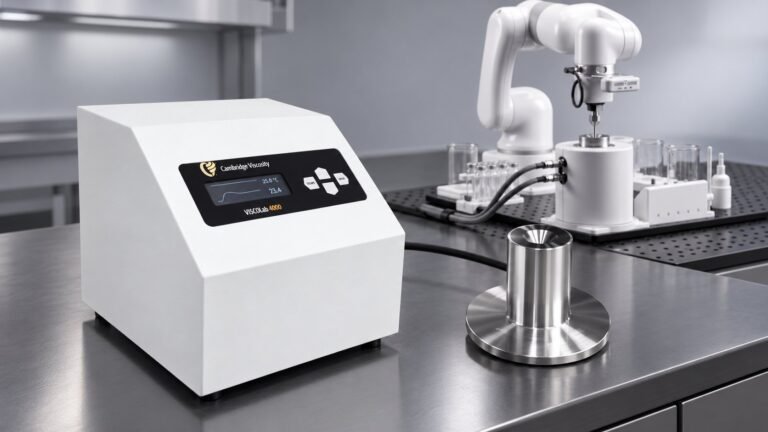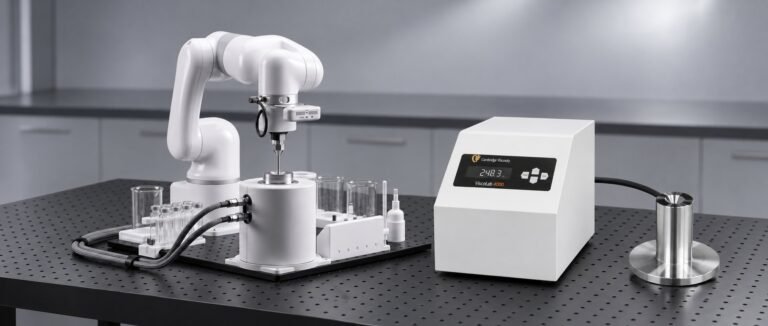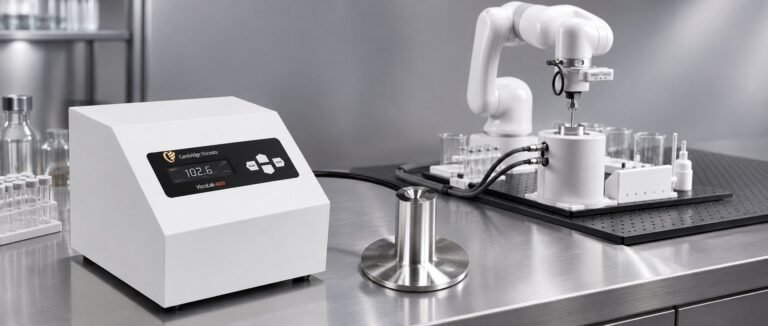
Oil and lubricant viscosity testing from −30 °C to +40 °C
 testDSC.Admin
Map how an oil or lubricant flows across its whole working window — cold start to warm operation.
Read more about Oil and lubricant viscosity testing from −30 °C to +40 °C
Automated viscosity vs. temperature testing — methods, results and applications.
testDSC.AdminMap how an oil or lubricant flows across its whole working window — cold start to warm operation.
Read more about Oil and lubricant viscosity testing from −30 °C to +40 °CtestDSC.AdminWater-based solutions and mixtures shift viscosity with temperature and composition — we capture both precisely.
Read more about Aqueous solutions and mixtures: viscosity across temperaturetestDSC.AdminPolymer solutions swing from thin to syrup-like with small temperature changes — dense viscosity–temperature data captures it.
Read more about Polymer solution viscosity testing across temperaturetestDSC.AdminViscosity index summarizes how much an oil thins as it warms. Here is what it means and how dense data improves it.
Read more about Viscosity index explained: how oils hold viscosity across temperaturetestDSC.AdminViscosity drives application, leveling and sag in coatings. Temperature-resolved data sharpens formulation and QC.
Read more about Viscosity testing for paints and coatingstestDSC.AdminAutomation removes operator variance and multiplies throughput — thousands of identical-condition measurements, overnight.
Read more about Automated viscosity measurement: more data, less variancetestDSC.AdminA plain-language guide to the two viscosities, their units (cP and cSt), and which one your application needs.
Read more about Dynamic vs. kinematic viscosity — and what cP and cSt actually meantestDSC.AdminScanning temperature while measuring viscosity reveals the whole curve — the basis of ASTM D5133 and the core of our automated service.
Read more about Temperature-scanning viscometry: viscosity vs. temperature the ASTM D5133 waytestDSC.AdminLow-temperature viscosity decides whether a fluid still flows. Here is how we capture it precisely across the full window.
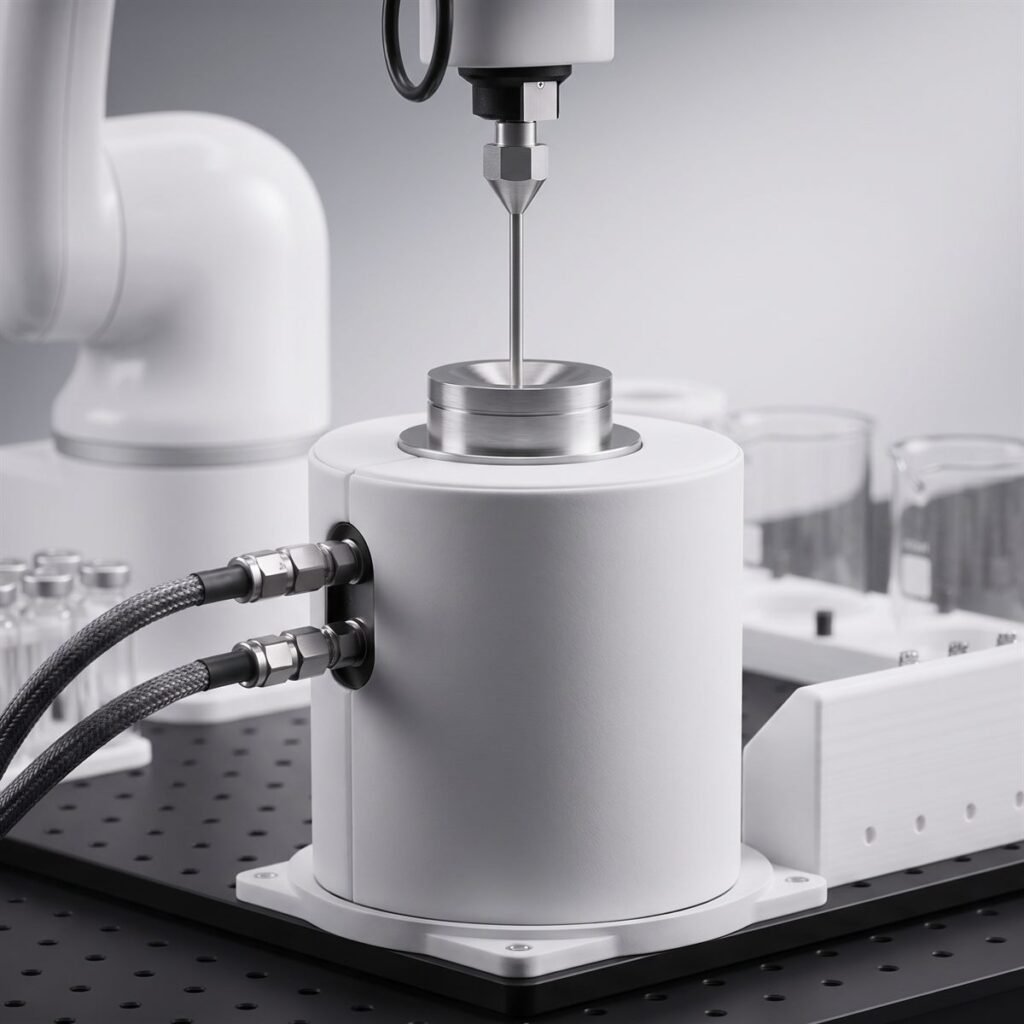
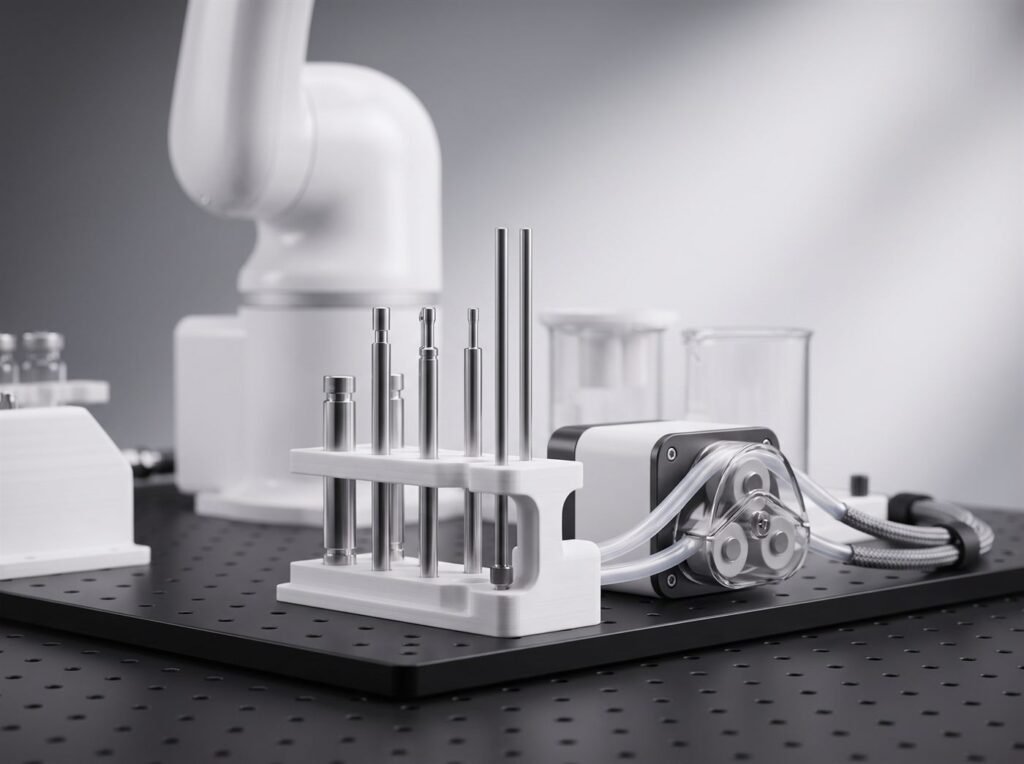
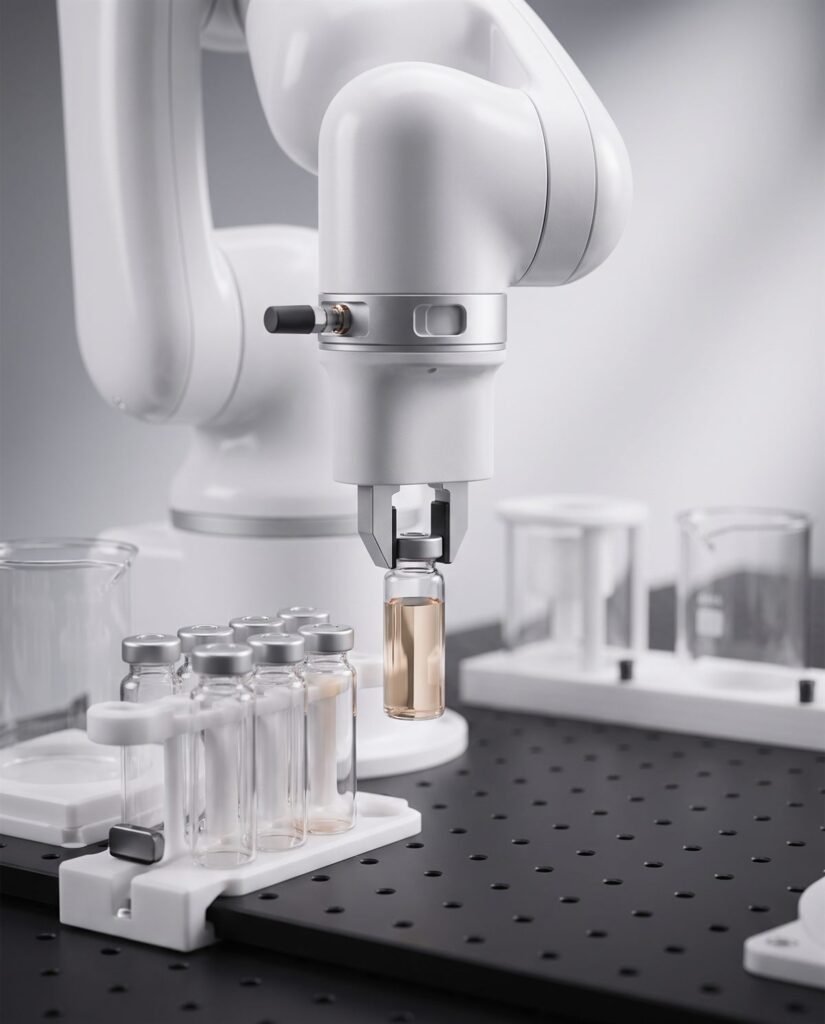
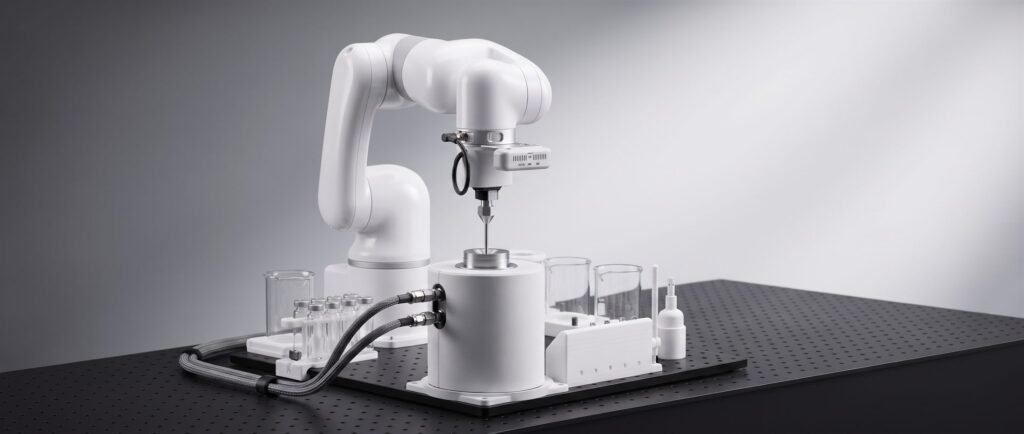
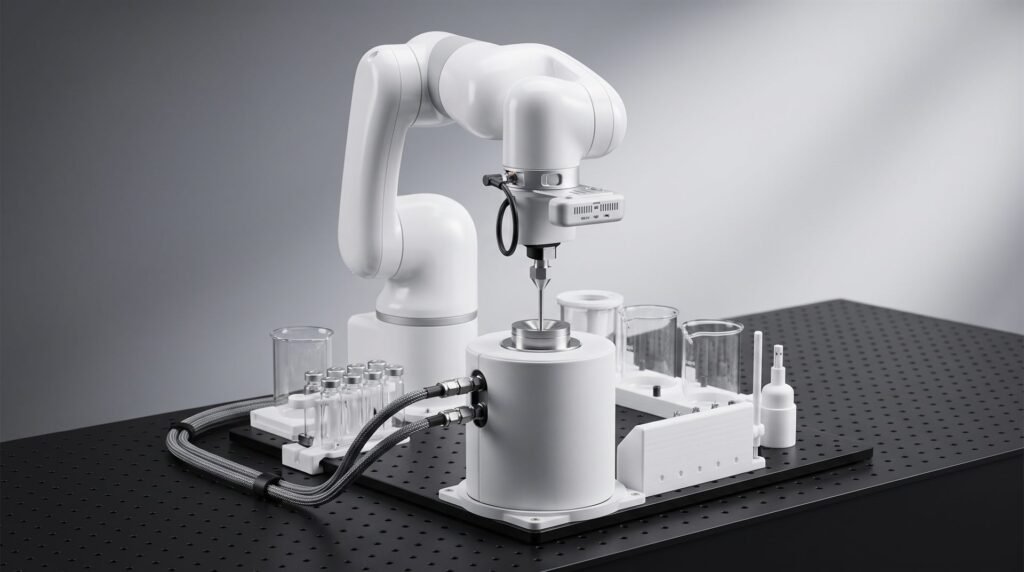
Read more about Low-temperature viscosity testing: cold-flow behavior down to −30 °CtestDSC.AdminA tour of the integrated measurement cell — the robot arm, peristaltic pump, piston viscometer and thermal loop.
Read more about Inside the cell: robot, pump and a piston viscometer