
Why a DSC Experiment Matters for Liquid Testing
 testDSC.Admin
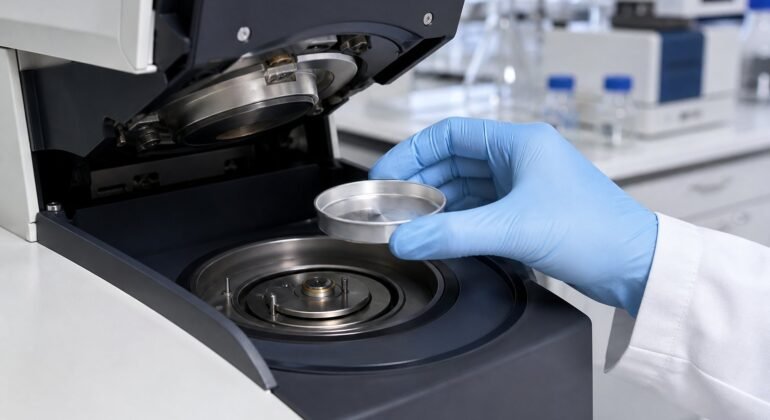
A DSC experiment measures how much heat your liquid absorbs or releases as its temperature changes. That single measurement — a heat flow curve in mW against temperature in °C — tells you where a fluid crystallizes, melts, gels, or passes through a glass transition. …
DSC vs TGA: What’s the Difference?
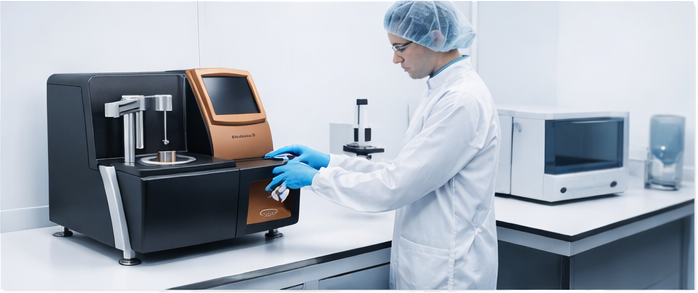
DSC vs TGA Thermal Analysis When comparing DSC vs TGA, it is important to understand that Differential Scanning Calorimetry (DSC) and Thermogravimetric Analysis (TGA) are two commonly used thermal analysis techniques, but they measure different properties. DSC (Differential Scanning Calorimetry) DSC measures heat flow associated …
What is Differential Scanning Calorimetry (DSC)?
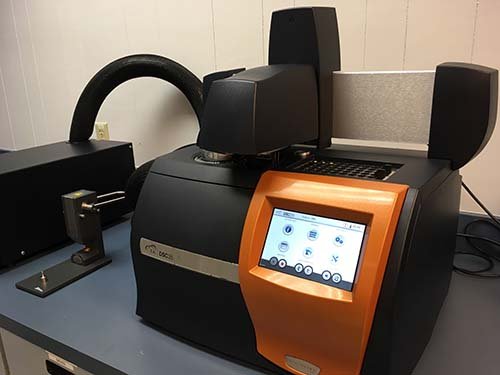
What is Differential Scanning Calorimetry (DSC)? Differential Scanning Calorimetry (DSC) is a widely used thermal analysis technique that measures heat flow associated with phase transitions in materials. DSC analysis allows researchers and engineers to determine important thermodynamic properties such as glass transition temperature (Tg), melting …
